How Photography and Videography Can Transform Businesses and NGOs in Kenya
In today's digital world, people often encounter an organization online before they ever visit its premises, attend its event or speak to its team. What they see can influence whether they trust the organization, explore its services or decide to support its work.
For businesses and non-governmental organizations (NGOs) in Kenya, professional photography and videography are powerful ways to communicate value, tell meaningful stories and build stronger relationships with their audiences.
Whether you run a small business in Nairobi, manage a growing company in Mombasa, lead a community-based organization in Kisumu or coordinate development projects across Kenya, quality visual content can help you communicate more effectively.
But how exactly can photography and videography transform your organization?
1. Build a Strong and Professional Brand Image
Your brand is more than your logo, colors or company name. It is also the impression people form when they see your products, services, staff, facilities and activities.
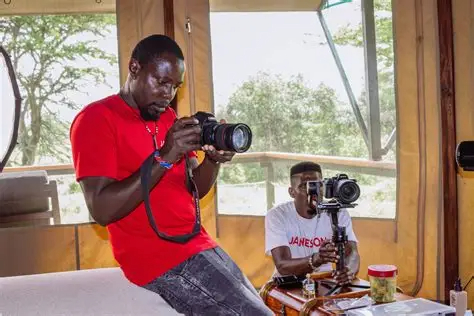
Professional photography helps businesses present their products and services clearly. A restaurant can showcase its food and atmosphere. A fashion business can display its clothing professionally. A construction company can document completed projects, while a corporate organization can use professional team portraits to present a consistent brand image.
NGOs can also benefit from professional visual branding. Images of programmes, community activities, training sessions and project teams can help communicate their work to stakeholders, partners and the public.
When your visual content is clear, consistent and relevant, it becomes easier for people to recognize your organization and understand what it does.
2. Attract More Customers Through Social Media
Social media platforms give Kenyan businesses and NGOs opportunities to reach people beyond their immediate locations. However, simply posting regularly does not guarantee that people will notice or engage with your content.
Strong photographs and engaging videos can help your organization communicate its message in a way that is easy to understand and remember.
For example, a business can use short videos to demonstrate how a product works, introduce a new service, answer frequently asked questions or show how a product is made. Professional photographs can support promotional campaigns, product catalogues and social media posts.
NGOs can use visual content to explain their programmes, introduce community initiatives, share educational messages and show how people can participate in their activities.
The key is to create content that serves a purpose. Instead of posting just to remain active, think about what each photograph or video should help your audience understand, feel or do.
3. Build Trust and Credibility
Customers want to know what they are buying, who they are dealing with and whether an organization can deliver on its promises. Donors and development partners also need clear information about an NGO's work, approach and results.
Professional photography and videography can help make an organization more transparent by showing its people, processes, products, events and activities.
A business can document its completed projects, showcase its team and present customer experiences with permission. An NGO can document project activities, explain its approach and share verified progress updates.
Visual content should always represent reality honestly. Genuine photographs, accurate descriptions and authentic stories are more valuable than misleading images or exaggerated claims.
For NGOs in particular, obtaining informed consent and protecting the dignity and privacy of the people featured in project content are essential.
4. Tell Stories That Connect With People
Facts and statistics are important, but stories can help audiences understand why those facts matter.
Videography combines visuals, sound, interviews and storytelling to communicate experiences in a more personal way. Photography can capture meaningful moments that communicate emotion, progress, challenges or achievement.
A business might tell the story behind its products, introduce the people who make them or explain how it solves a customer's problem.
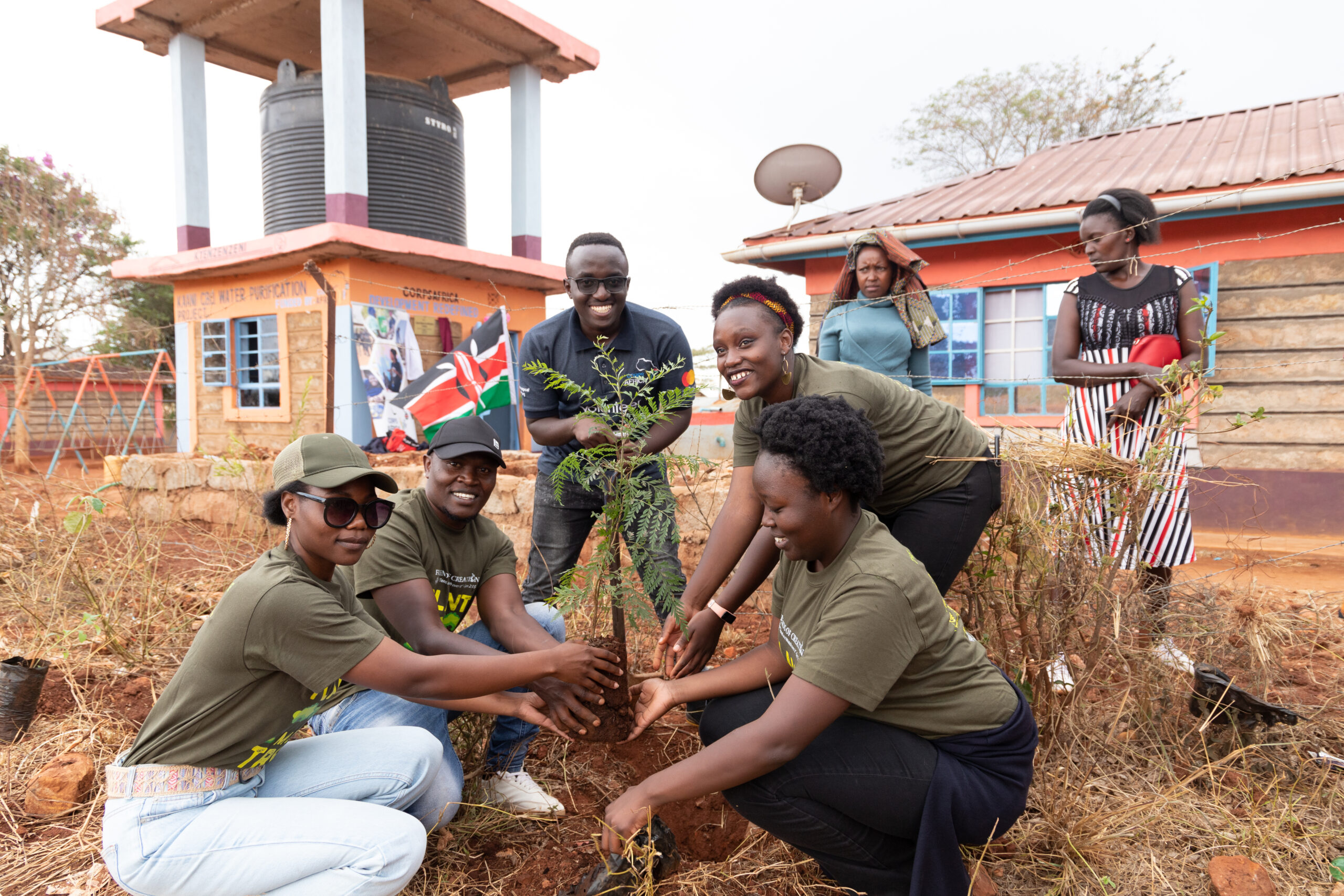
An NGO might document a community training programme, explain a public health initiative or share the progress of an environmental conservation project. Interviews with participants, when appropriate and consented to, can help audiences understand the human side of the work.
Effective storytelling does not require exaggeration. It requires a clear message, thoughtful planning and respect for the people whose stories are being shared.
5. Support Marketing, Advertising and Sales
Photography and videography are not just creative extras. They can become useful assets across an organization's marketing activities.
Businesses can use professional visuals for:
Social media advertising campaigns.
Websites and landing pages.
Product catalogues and online shops.
Company profiles and presentations.
Promotional videos and service demonstrations.
Exhibition stands, launches and corporate events.
NGOs can use visual content for:
Programme introductions and awareness campaigns.
Donor presentations and fundraising materials.
Project reports and stakeholder meetings.
Educational videos and community outreach.
Campaigns promoting participation or behaviour change.
Documentation of workshops, conferences and field activities.
One well-planned shoot can produce several useful assets. For example, a business filming a product demonstration might also capture short social media clips, still photographs and behind-the-scenes footage.
Planning content around specific goals can help organizations make better use of their production budgets.
6. Help NGOs Demonstrate Their Impact
For NGOs, community-based organizations and development programmes, communicating impact is an important part of maintaining relationships with donors, beneficiaries, partners and other stakeholders.
Photography and videography can support this work by documenting activities and helping explain what a programme is doing.
A project team might capture a training session, document the installation of a community facility or interview participants about their experiences. These materials can complement written reports, monitoring data and programme evaluations.
However, images alone do not prove that a project has achieved its objectives. Visual documentation should be supported by accurate information, credible evidence and appropriate monitoring and evaluation.
NGOs should also establish clear guidelines for consent, safeguarding, image storage and the use of sensitive information, especially when working with children or vulnerable communities.
When used responsibly, visual storytelling can help organizations communicate their work clearly without compromising the safety or dignity of the people they serve.
7. Make Your Website More Engaging
Your website is often one of the first places prospective customers, partners and donors visit when researching your organization.
Pages containing relevant, original photographs and videos can help visitors understand your products, services, team and activities more quickly.
For businesses, this could mean showcasing products, completed projects, staff expertise or customer demonstrations.
For NGOs, it could mean explaining programmes, introducing project teams, documenting community initiatives and sharing verified results.
For a better website experience, ensure images are clear, relevant and appropriately sized. Add descriptive alternative text to meaningful images, compress files to improve loading speed and provide captions or transcripts for videos where appropriate.
Avoid using large media files that slow down the website. Good visual content should improve the experience, not make visitors wait unnecessarily.
8. Document Events and Preserve Valuable Moments
Businesses and NGOs regularly organise events that support their wider objectives.
These may include product launches, corporate conferences, staff training, fundraising events, stakeholder meetings, community forums, workshops and public awareness campaigns.
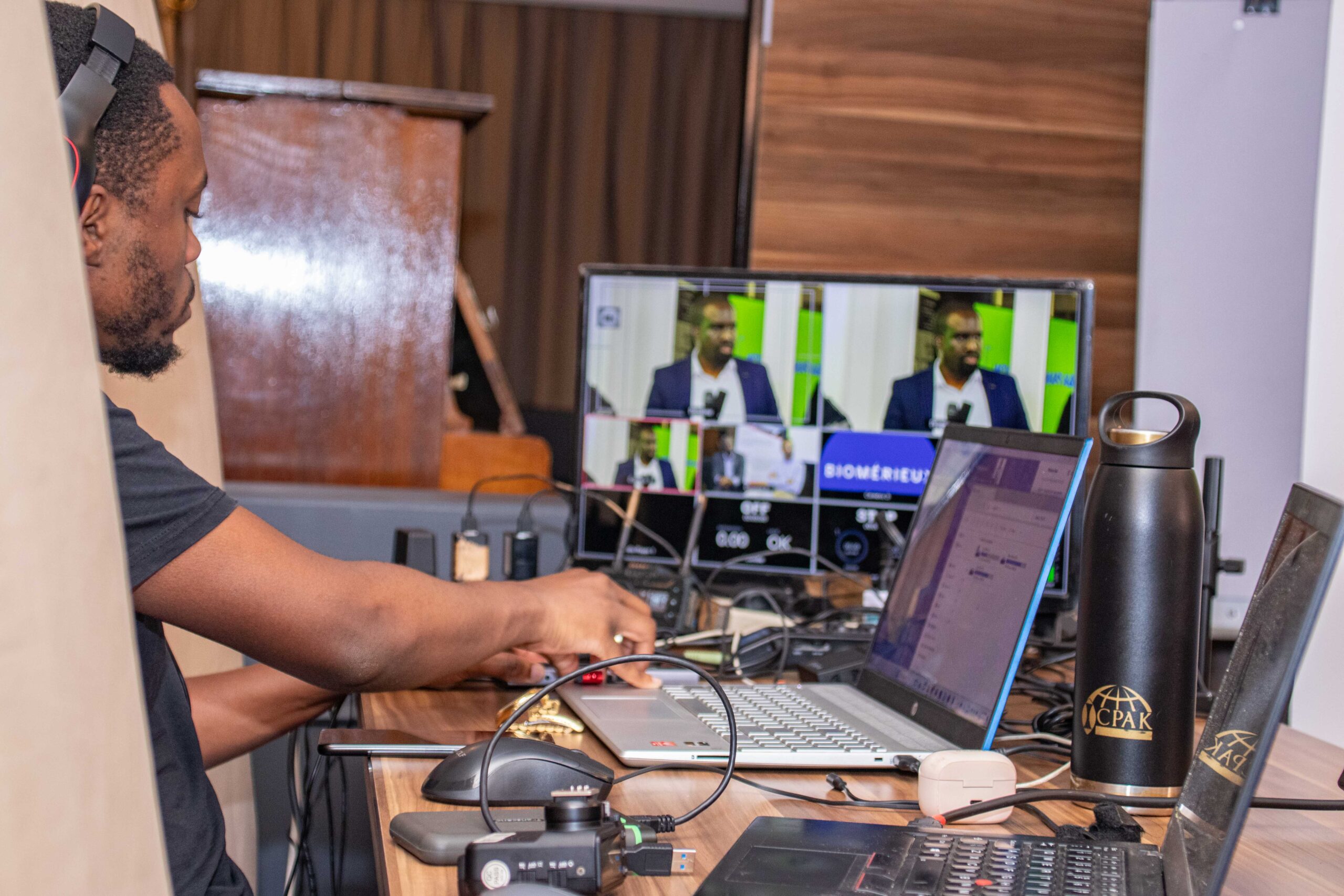
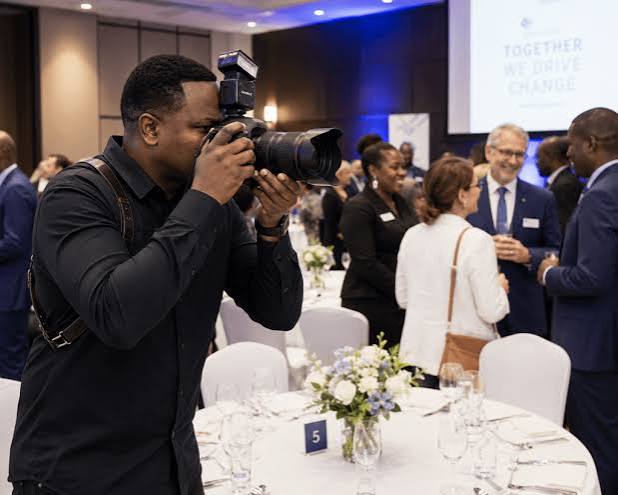
Professional event photography captures important moments, speakers, attendees and activities. Videography can provide a record of presentations, interviews, demonstrations and key messages.
Depending on the organization's needs, live streaming can also help audiences participate remotely when they cannot attend in person.
After an event, the content can be repurposed for social media, internal communication, future promotions, reports and organizational archives.
The best results come from planning ahead. Share the event schedule, identify important moments and agree on the required photographs, videos, delivery timelines and intended uses with your creative team before the event.
9. Choose the Right Creative Professionals
The quality and usefulness of your visual content depend partly on selecting professionals who understand your objectives.
Before hiring a photographer or videographer in Kenya, consider the following:
Review their portfolio. Look for examples that match your type of project. Someone experienced in weddings may not necessarily be the right fit for a corporate documentary or NGO field report.
Explain your objectives. Tell the creative what you want the content to achieve, who the intended audience is and where the photographs or videos will be used.
Discuss your budget. Request a clear quotation that explains the scope of work, equipment or crew requirements where relevant, editing, deliverables, transport and any additional charges.
Agree on delivery timelines. Confirm when you will receive the edited photographs, final videos and any shorter versions required for social media.
Clarify usage rights. Discuss how your organization may use the finished content, including advertising, website publication, social media, reports and future campaigns.
Consider communication and reliability. A good creative should understand your brief, communicate clearly and work professionally with your team.
Choosing based on both skill and project requirements can help you avoid unnecessary costs and obtain content that serves a clear purpose.
10. Find Photographers and Videographers Through Media Bridge Connect
Finding the right creative professional can take time, especially when you need someone with a specific skill, style, location or budget.
Media Bridge Connect (MBC) helps connect clients with creative professionals offering services such as photography, videography, graphic design, video editing and livestreaming.
Instead of relying entirely on scattered recommendations or searching through social media posts, organizations can use MBC to explore creative profiles, review available information and identify professionals who may suit their needs.
Whether you are a business preparing a marketing campaign, an NGO documenting a community programme or an organization planning a corporate event, start by identifying the type of content you need and the outcome you want to achieve.
You can then explore the available creative professionals and contact suitable candidates to discuss your project.
Ready to strengthen your organization's visual communication?
Visit Media Bridge Connect to explore creative professionals and find someone who can help bring your next project to life.
Conclusion
Photography and videography can help businesses strengthen their brands, explain their products, attract attention and communicate with customers. For NGOs, visual content can help explain programmes, document activities, engage stakeholders and communicate progress responsibly.
The real value is not simply having attractive photographs or professionally edited videos. It is creating visual content that supports a clear organizational goal.
Start by identifying the message you want to communicate, the people you want to reach and the action you want them to take. Then work with the right creative professionals to produce content that helps you achieve that objective.
For Kenyan businesses and NGOs looking to communicate more effectively, investing thoughtfully in photography and videography can be a valuable step towards stronger public engagement and more professional communication.